
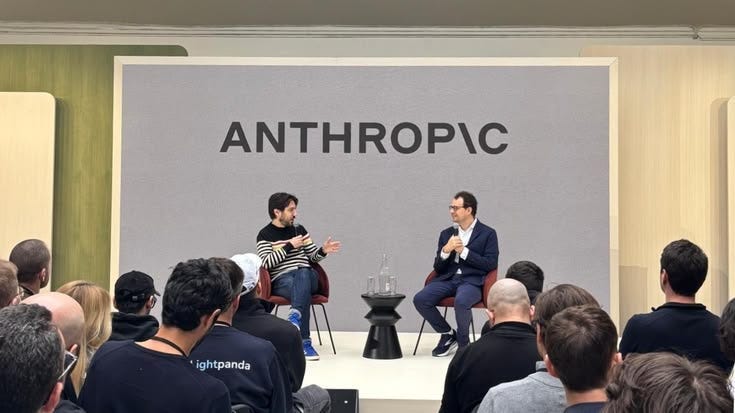
The summary scanning of all the books in the world sounds like a rather mendacious plan a movie villain would devise to seize control of the universe. Yet, Anthropic, the creators of Claude AI, have faced a lawsuit for allegedly executing this mastermind plan. Last summer, authors claimed that the AI company had stolen their work. The method? Under the code name of Project Panama, Anthropic acquired millions of second-hand books, sliced them apart, and scanned them to teach their generative AI system, Claude. Anthropic had previously settled a $1.5bn lawsuit for pirating digital book libraries to train AI. Unsealed court documents have revealed the extent of the harm.
Their morally grey reasoning was that it was far cheaper and less of a publicity scandal to bulk buy second-hand books than to pay copyright licensing fees to access the work of these authors. This was justified under the claim that it coincided with the fair use rule, that once an item is purchased, the buyer can do whatever they see fit with the item. So, the creation of a central library to teach the LLM’s was justified as a fair ruling by Judge Alsup. However, the question of how these books were acquired is still a legal issue.
Whilst this legal case is alarming and unjust for the authors involved, it reveals a larger issue about the boundaries that AI can cross. If we deem this a technological necessity for training LLMs, then what does it say about how we value literature and physical media in our culture? Anthropic correctly decided that books provide a more suitable teaching tool than general internet speech, otherwise known as AI “slop”, that can be accessed through most online platforms. It wasn’t just complex sentence structures and a wide range of vocabulary that prompted this move. The emotional storytelling and framing of characters are uniquely powerful in literature and would be a strain for AI to mimic from any other form of media.
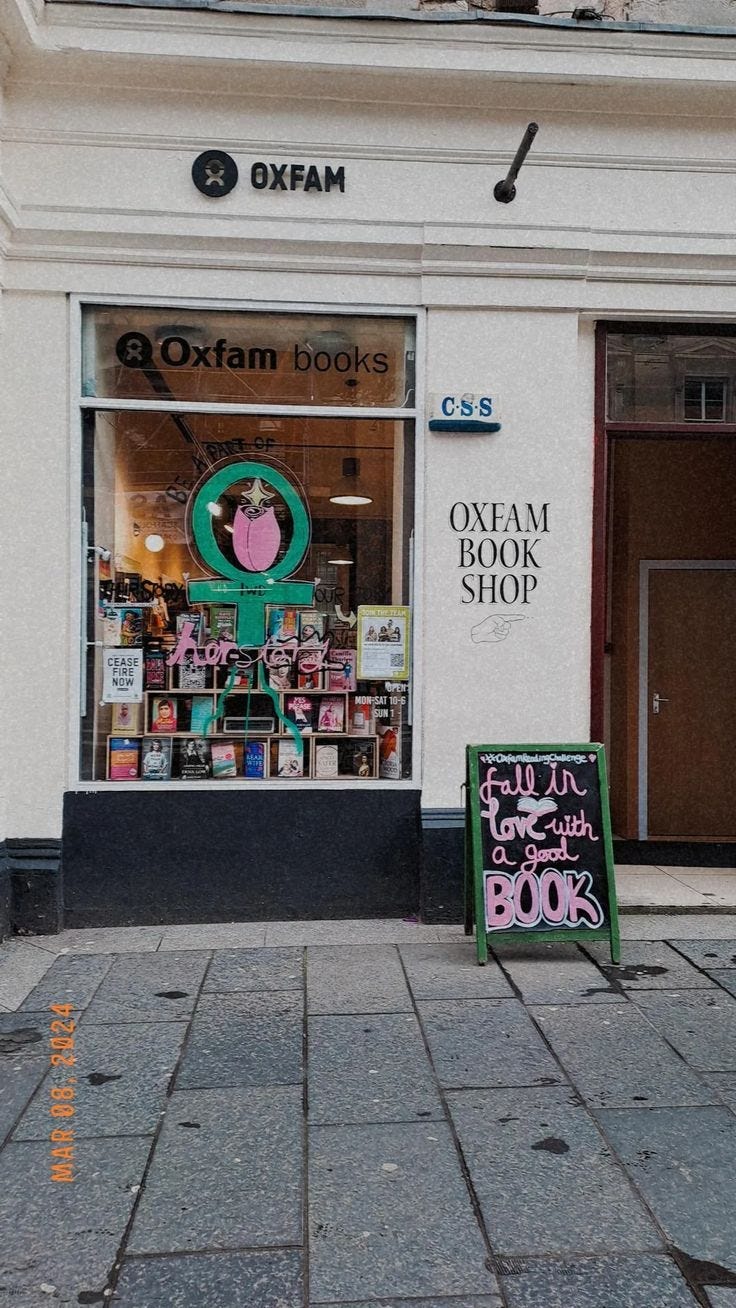
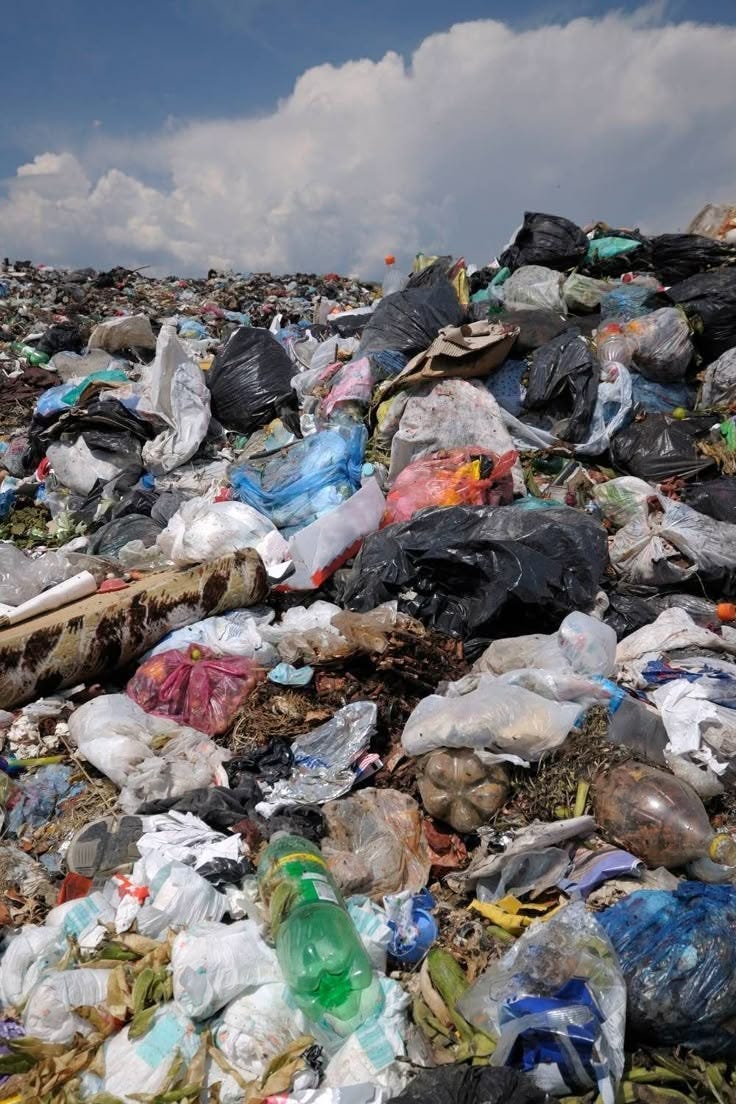
As so many books are available second-hand in charity shops or online, it seems inevitable that some will end up rotting in landfills. The most recent statistics estimate that 320 million books end up in landfills each year. Though this is nightmarish, it feels far less destructive than scanning every word in a novel before shredding it to pieces. With AI guzzling our resources and causing immense damage to the environment through data centres, the risk of improving its capabilities through literature is alarming. It also poses the threat of further replacing the writer’s role in creating a novel. We have already seen the quality of literature dip in recent years thanks to the trope-first approach taken to appease BookTok.
For years, we have grown to adapt to alternative methods of consuming a story, whether it be on a Kindle or an audiobook, many with the minds to reduce their environmental footprint. Of course, there are the purists who still swear by a physical copy (there is just something so satisfying about turning a page), many of whom seek out second-hand literature to avoid buying new literature. Having physical copies of a text is still completely necessary. Anthropic are taking away accessible literature resources from those who are unable to purchase new books or unwilling to contribute to an industry that fells tens of millions of trees annually. Although big publishing houses like Penguin are committed to producing texts on 100% sustainably sourced paper.
Only 2% of the books we consume are recycled. Whilst the climate impact of Project Panama is uncertain, a future where we continue these practices is far worse than books in a landfill.