

Or do we detect foul play by FIFA?
That time of year has come when all eyes are on the FIFA World Cup. Pubs are heaving, morale high and adults now arguably become enthusiastic owners of yet another national team shirt they definitely don’t need. With the 2026 FIFA World Cup standing as one of the biggest sporting events on the planet with millions of supporters travelling to the United States, clocking in vast air mileage, we see once again a frenzy to buy the latest kit and merchandise in the colours of their chosen nation. However, this year the sales pitch appears to have been flavoured with an eco-friendly twist. Major manufacturers such as Nike and Adidas are promoting many of their World Cup kits as sustainable. Nike went a step further this world cup and rather than simply adhering to previous standards - kit requiring at least 50% recycled content, they debuted their Aero-FIT elite national team kits which are manufactured using 100% recycled textile waste, a shift from standard plastic bottles waste. Therefore, your brand new jersey contributes to helping the planet while you passionately explain to the stranger sitting next to you why your team’s manager has got the tactics all wrong.
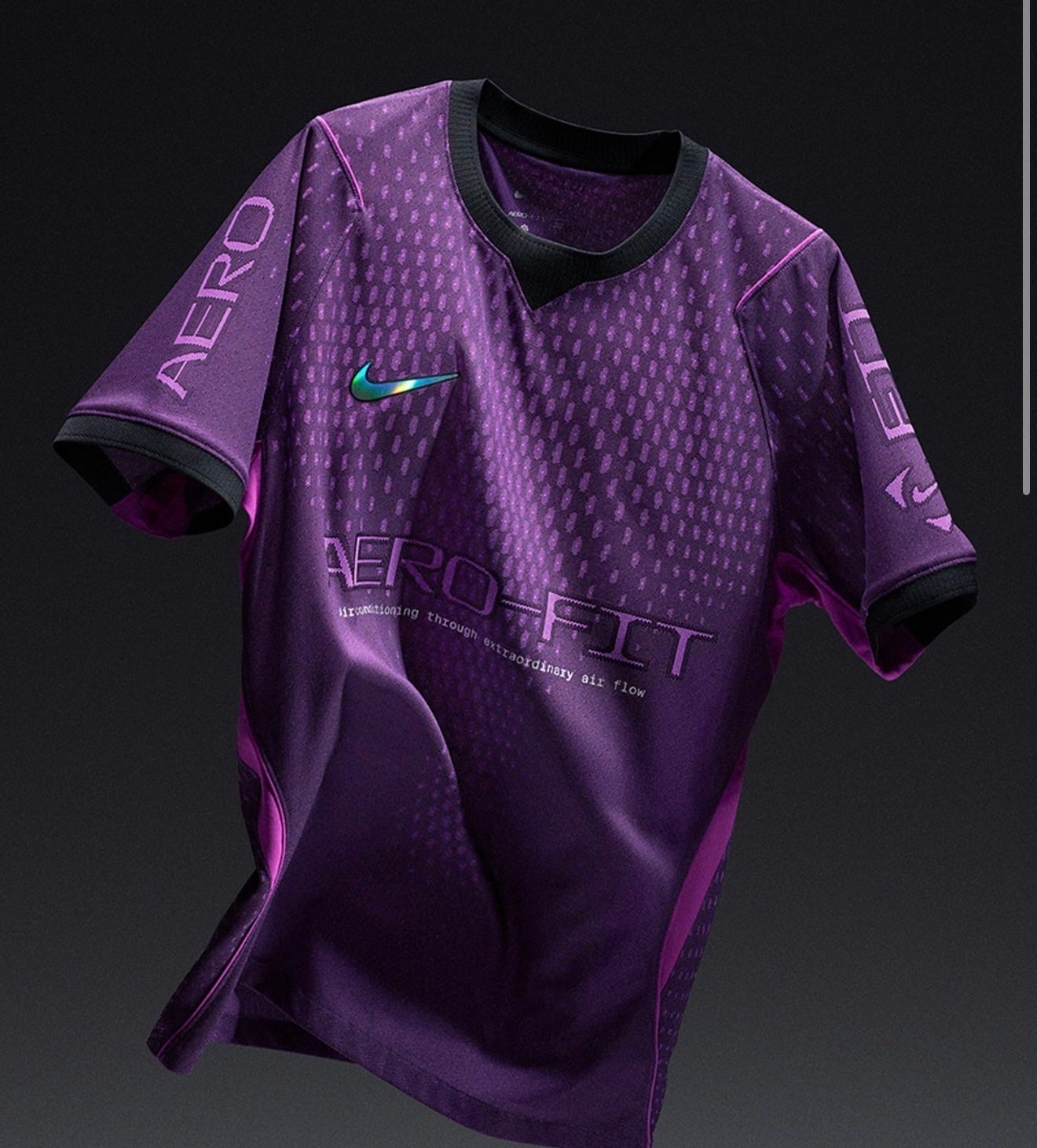
However, before we award these shirts the Ballon D’or, it is worth asking ourselves a tougher question, which is: Do recycled football kits genuinely reduce the environmental impact of the beautiful game or are they simply a more environmentally friendly version of a much larger consumer problem? As millions of fans prepare to fill stadiums, pubs and living rooms around the world, the sustainability claims behind World Cup merchandise deserve a closer look.
Modern football shirts have come a long way from the heavy cotton jerseys of the past as while today’s kits still inspire heated debates regarding questionable colour choices and experimental collar designs, they are at least becoming kinder to the environment. Many of the 2026 World Cup national team shirts are made from recycled plastic bottles that have been collected, processed and transformed into high performance fabric!. While it isn’t quite magic per se, it is a clever example of recycling in action.

Using recycled materials helps reduce demand for virgin plastic, which would otherwise require new fossil fuels to be extracted and processed so by reusing existing plastic, manufactures can lower the amount of new material entering the production cycle and reduce the waste that might otherwise end up in landfill or the natural environment. Nike has also highlighted the environmental benefits of recycled polyester by stating that it generates fewer carbon emissions than producing virgin polyester from scratch. This approach has been incorporated into many high-profile 2026 national team kits including those worn by England, France, the US and Brazil. For environmentally conscious supporters, this means that their latest shirt may have a smaller carbon footprint than equivalent products from previous tournaments.
Of course, football kits still have to perform on the pitch and players are unlikely to accept a shirt that is environmentally friendly, but feels like wearing a recycled tent so as a result, manufacturers such as Nike and Adidas are attempting to balance sustainability with the demands of elite sport, combining recycled materials with lightweight fabrics, moisture-wicking technology and cooling systems designed to keep players comfortable dyeing the intense heat in the hosting country and the pressure of the tournament itself. Therefore, this represents genuine progress as the football industry is beginning to recognise that performance and sustainability do not have to play on opposing teams.

The real question is, are recycled materials alone enough to make World Cup kits truly sustainable?
Despite these positive steps, critics argue that football shirts made from recycled polyester are not fully sustainable. Recycled polyester is still a plastic-based material and therefore, when shirts are washed, tiny plastic fibres known as microplastics can be released into rivers, lakes and oceans. Environmentalist groups also highlight how millions of shirts are manufactured, packaged and transported around the world each year, creating emissions throughout the production and delivery process. Also, football fans are often encouraged to re-purchase kits every season or tournament, leading to the promotion of overconsumption and as a result, some critics believe that the environmental benefits of using recycled materials are in fact reduced when large numbers of new products are purchased and sold. Thus, they argue that a shirt can be made from recycled materials, but still have significant environmental impact due to manufacturing, transport and consumer demand.
Lastly, focusing our lens onto the current 2026 FIFA World Cup, it is clear that football is becoming more sustainable and is working to reduce the need for new plastic production compared with previous tournaments. However, the World Cup also unfortunately encourages the sale of huge amounts of merchandise to fans all around the world, including millions of replica shirts. Therefore, this creates environmental costs through manufacturing, packaging and transportation as while recycled fabrics may reduce some environmental impacts, critics argue that these gains must be weighed against the resources required to produce and distribute such large quantities of products. Therefore, the sustainability of World Cup merchandise remains an interesting debate as some question whether the environmental benefits of recycled materials are enough to offset the scale of global consumption associated with the tournament.
Arguably, the most sustainable football shirt is not a newly released one, but the shirt that fans already own and continue to use.