

Met 2026 brought the heat!
Every year in May, the world's most expensive dress-up game takes place in glamourous New York City. Celebrities strut down the notorious steps of the Metropolitan Museum of Art while covered in layers of cloth, jewellery and couture. This year's theme, ‘Fashion is Art’, highlighted innovation and costume design as designers treated the red carpet like a moving gallery display, with each outfit dying to be the night's greatest work of art. Beyond the gloss, glamour and spectacular entrances, an uncomfortable question remains - can an event focused on luxury truly claim to support sustainability? Despite being a celebration of art, the 2026 Met Gala inevitably brought to the fore the rising conflict between celebrity consumption and climate conscience.
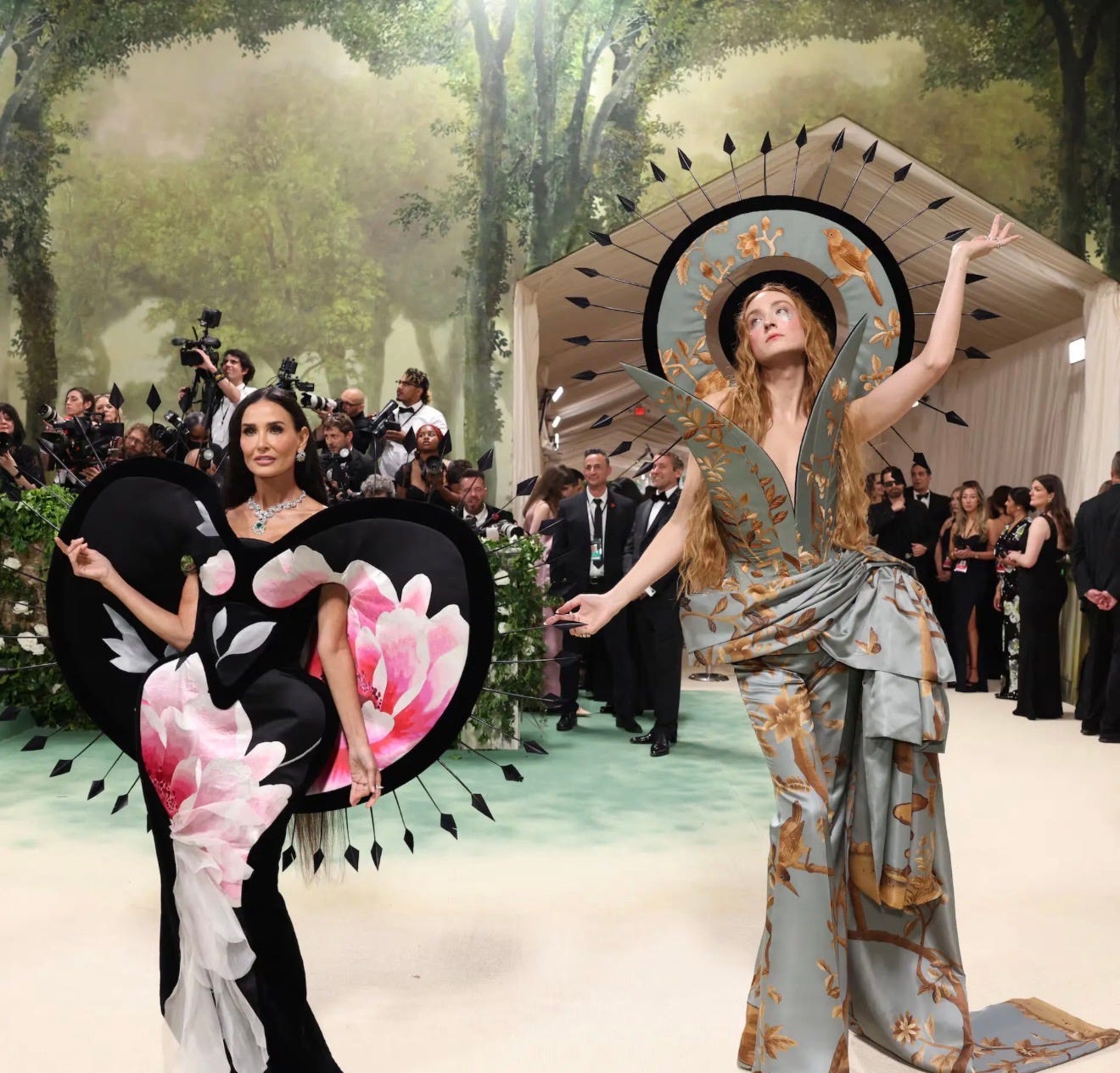
The Met Gala is THE fashion event of the year, with tickets allegedly costing over $100,000 each and the event itself raising about $42 million for the museum's costume institute. Naturally, the guests tend to possess the most popular Instagram accounts in the world; such as Kim Kardashian, Rihanna and Beyonce. Images from the event spread throughout the world in a matter of minutes, influencing beauty standards, trends and conversations well beyond the city of New York, but a crucial question arises when celebrities are given such authority. If they can motivate millions of people to purchase handbags, can they also motivate significant environmental action?
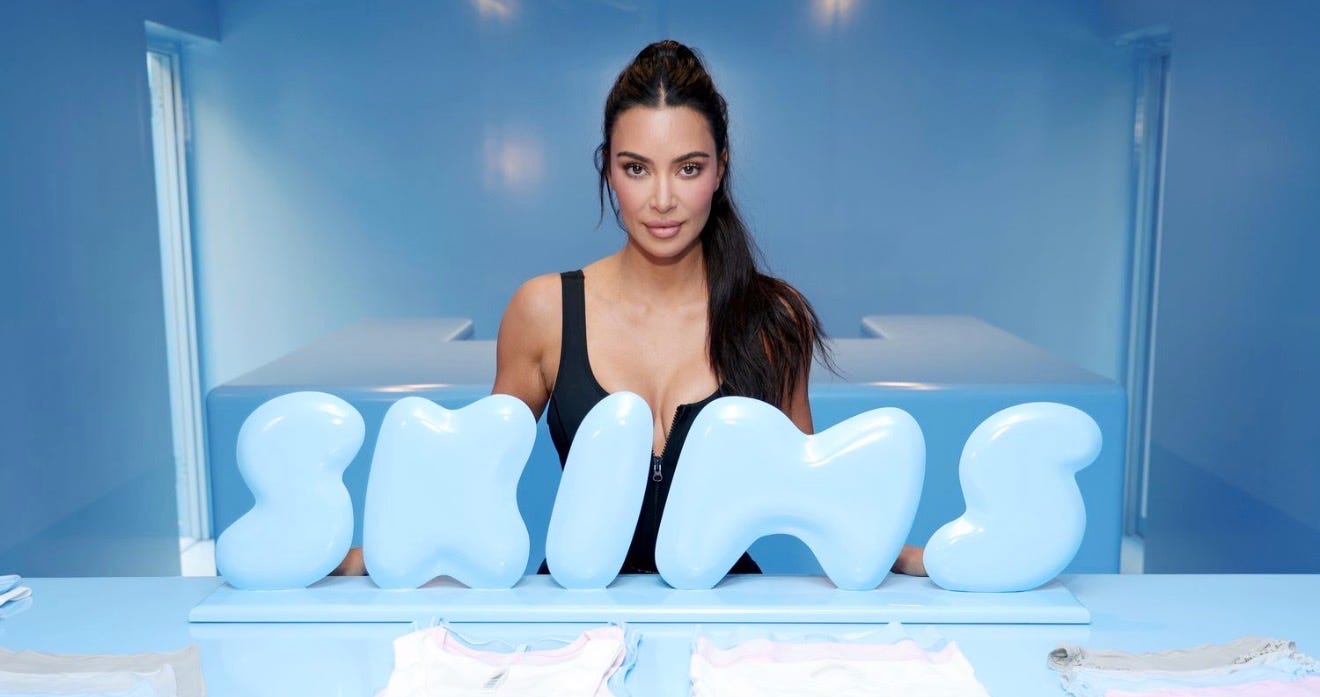
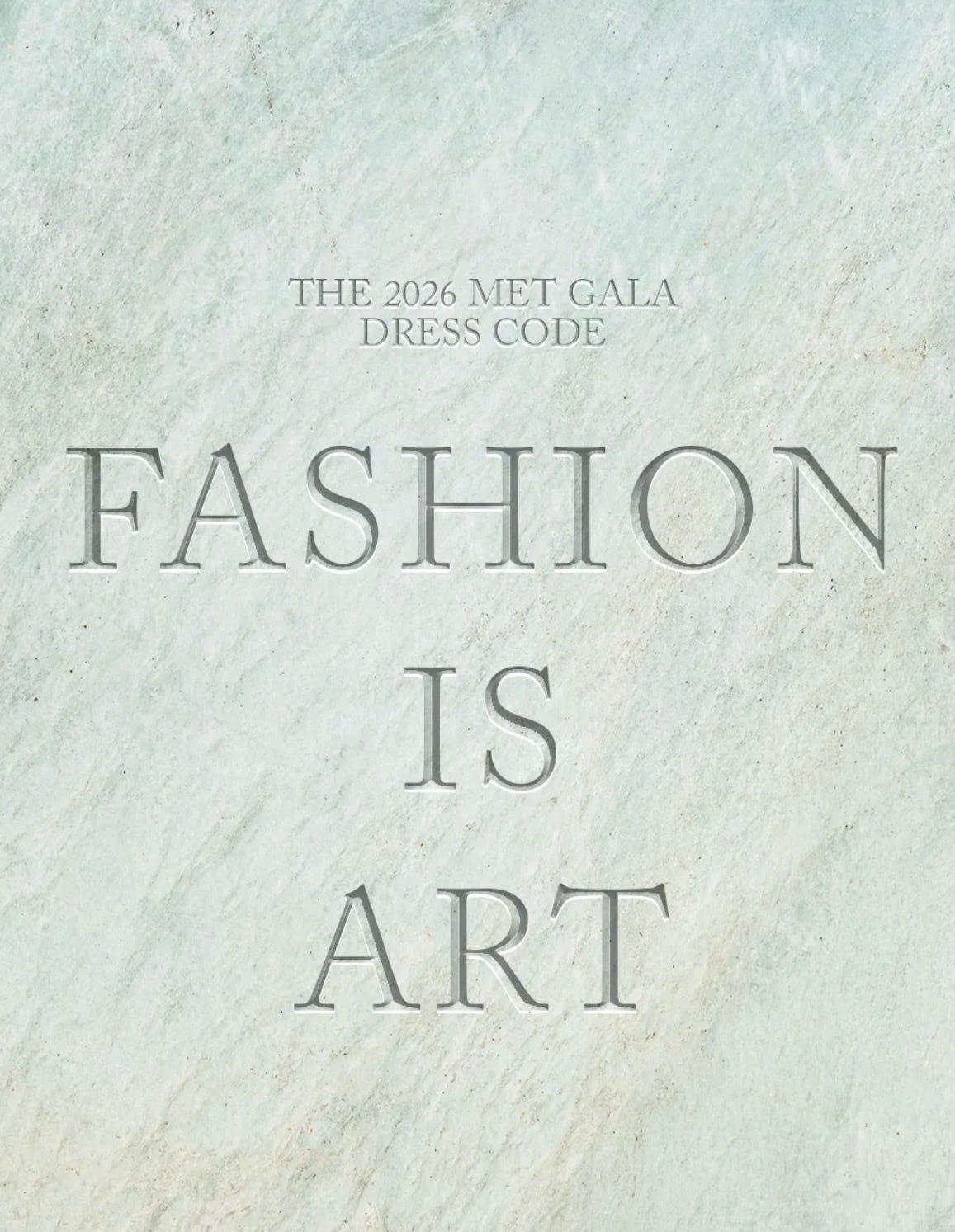
By resurfacing old items of clothing, or donning recycled materials, several attendees made an effort to embrace sustainability and these decisions imply that fashion can become more ecologically responsible. However, if sustainability is primarily utilised as a marketing technique, it runs the risk of becoming an example of greenwashing, which is presenting an environmentally good image without addressing fundamental issues. A prime example of this is Kim Kardashian’s multi-million-dollar clothing brand ‘Skims’ that has faced accusations of greenwashing as in 2023, climate activists criticised a Skims advertising campaign that used climate-change messaging to market a product, arguing that environmental concerns were being used as a branding tool rather than actually addressing the fashion industry’s deeper sustainability problems. This raises doubts about whether such initiatives genuinely bring about meaningful change and whilst a recycled garment could make headlines, it doesn't always offset the event's larger environmental costs.
The Met Gala has really come to represent broader discussions about wealth and power, reflecting the public's rising mistrust of elite cultural events. It has evolved from a fashion event to a forum for public discussion of issues like privilege, accountability and sustainability since many critics draw attention to the disconnect between celebrity activism and meaningful, sustained action. Additionally, critics contend that the Met has the power to shape fashion trends and promote sustainable choices and that if celebrities support eco-friendly clothes, shoppers might follow. However, visibility by itself is insufficient to address climate change because real success necessitates industry-wide reforms, regulations and systemic changes to the production and consumption of fashion. Therefore, the crucial distinction is between symbolic awareness and material influence.
Clearly the event draws attention to a significant paradox, although the Gala can start discussions about sustainability, genuine environmental advancement necessitates more than token gestures. Celebrity endorsed climate-conscious messages cannot peacefully coexist with extreme wealth and consumption and therefore, the question of what a really climate-aligned Met Gala might look like may be a more pertinent theme than whether fashion is art or not.