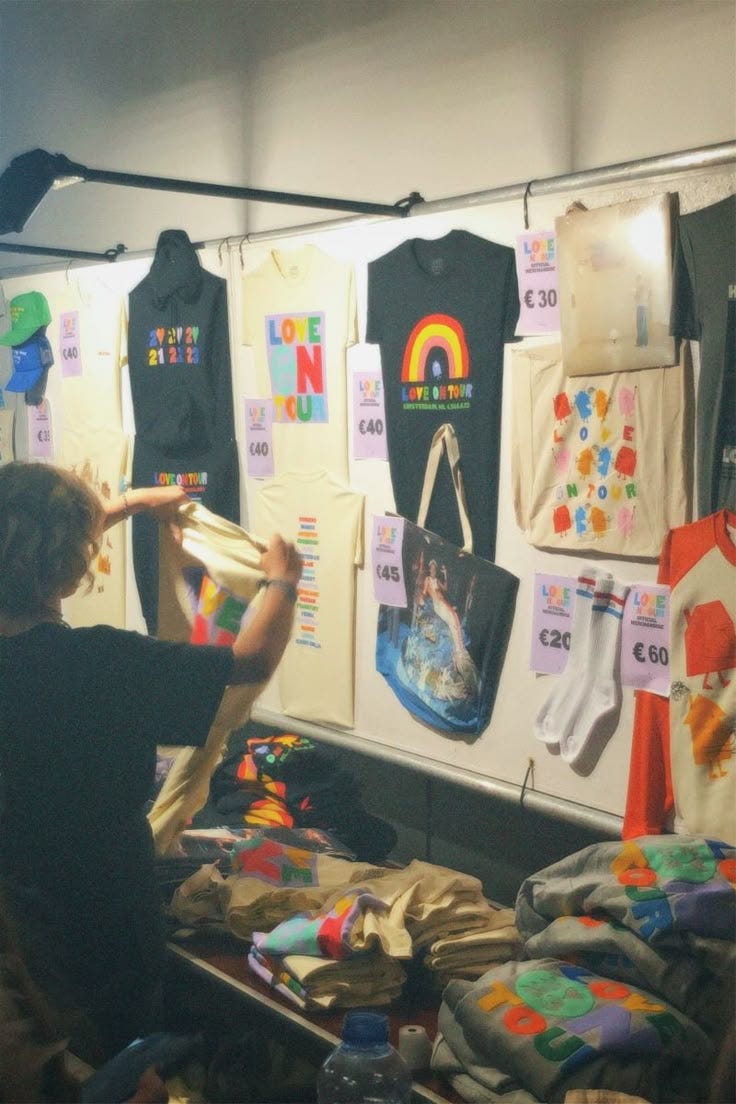

And yes, your favourite artist is a fast-fashion brand
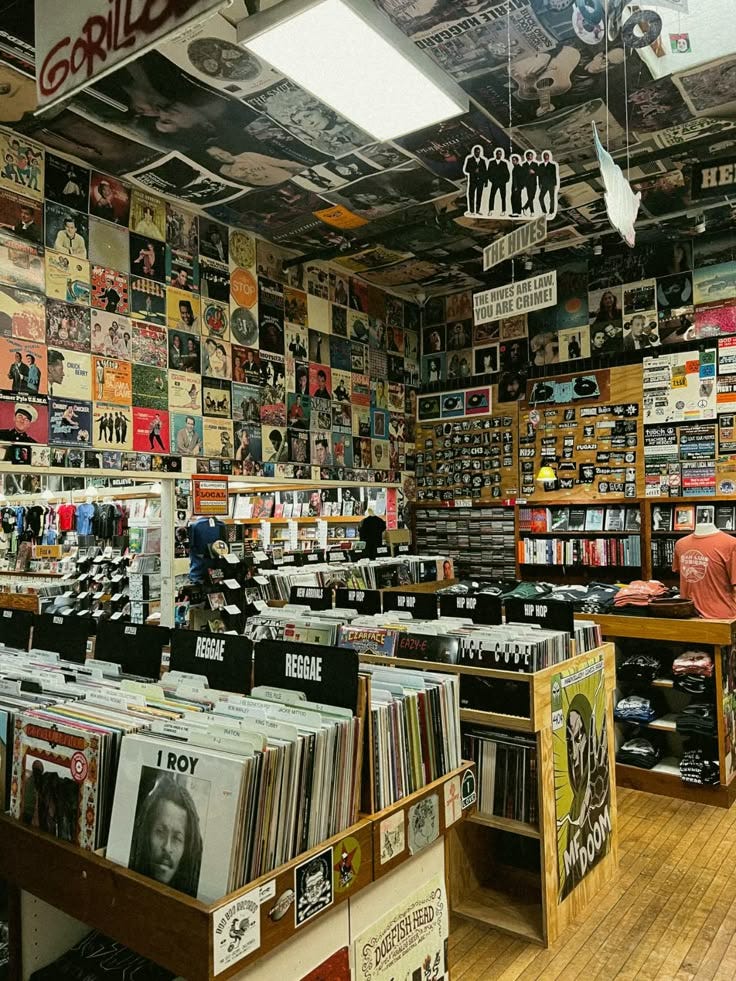
Record Store Day 2026 saw a 25% jump in sales across the UK, with more than 300 independent stores taking part in the event. This surge is thanks to Gen Z, who are fuelling the Vinyl revival movement in a rebellion against digital media. Many of us grew up streaming music on an iPod, then came smartphones and the plethora of streaming services. Though recently, we see that whilst Gen Z are very much still streaming, buying a record has become the new trend. True, you may feel like a true, old soul playing your favourite artists’ latest LP, and undoubtedly it does possess a certain social cachet, but does it outweigh the environmental guilt? Is it more environmentally friendly to stream or to buy vinyl?
It is easier to see the physical waste produced when making and transporting Vinyl records when compared to digitally streamed tracks. LPs are made from PVC, which is a toxic material and are typically packaged in a plastic sleeve. In a 2024 study of vinyl’s environmental impact from ‘cradle to grave’ by Vinyl Record Manufacturers’ Association (VRMA) and Vinyl Alliance, it was reported that each vinyl produces around 1kg CO2e. This is only a small amount, but the associations are already encouraging manufacturers to consider moving towards a “bio-attributed” PVC compound or to reduce freight shipping and plastic sleeves for packaging. Whilst they emphasised that records tend to stay in collections for years and rarely end up in landfills, it is important to acknowledge that their materials are toxic and non-recyclable.
On the other side of the coin, you have streaming services like Spotify, Apple Music, and Amazon Prime. In a study by Energy Tracker Asia, they reported that, “on average an individual streams approximately 5 hours of content daily. This results in releasing up to 1.57 million tonnes of CO2 emissions, or 0.57 billion tonnes annually”. Although streaming seemingly has a lower carbon footprint, the sheer popularity and scale of this method is what cause it to have such a dangerous impact.
Though neither of these options will be free of any environmental impact, there are still options that can help your music listening habits be a little bit greener. Purchasing second-hand is a great option. With the great variety in music tastes across Gen Z, many people follow artists who produced their best hits back in the 70s or 80s. So, if you’re still planning to stream music, then why not listen to older music on Vinyl? Record stores are a treasure trove of second-hand vinyl for a fraction of the cost of something newly produced; plus, you’ll still be supporting the independent businesses.

In the realm of live music, artists are also following more old-fashioned trends, playing residencies as opposed to world tours. Heralding the music greats like Elvis Presley, current signers are favouring a longer-term stint at stadiums instead of months-long global tours. Harry Styles is performing at select cities across the world, featuring a 12-day stop off in his home country. Whilst this trend means celebs won’t be chartering a private jet every couple of days to hop across continents, the cost of travel falls to the general public. Fans across the UK and the rest of Europe will flock to London, still taking flights, trains, or driving across the country. Though there has been a lot of outrage at this touring system, smaller artists are urging their communities to continue to attend gigs in cities closer to home. With ticket prices for major artists like Styles skyrocketing, this might be the call we need to embrace that old school taste and attend a smaller band’s show at your local pub or music venue. After all, The Beatles were discovered at The Cavern Club.
Another recent debate is the ethics of celeb merch. It is pretty much fast fashion at a premium price. Tour hoodies cost upwards of £60. Whilst most are made from cotton, they are still mass-produced, and fans buy them in excess. The tour tee has been a trend for decades and is often purchased as a concert souvenir. Yet, fans are now shopping pre-show, often at pop-up shops hosted by the artists. So, are celebrities’ products essentially fast-fashion brands? Whilst they’re not on the same global scale as Zara and H&M, they are still less sustainable than smaller businesses using organic materials or just shopping second-hand.
What music we listen to and how is becoming an increasingly difficult challenge to navigate. What it comes down to is that music is all about community. Rely on the people around you for recommendations, ask relatives for old records, or who knows, they might have a really cool vintage tour tee waiting to be worn again.