

Climate change used to seem like a threat to polar bears upon melting ice caps. An abstract threat to some far-off future generation, but now, its imminence has quite rudely made itself known - In our bank accounts. Your energy bill is exorbitant, the strawberries at your store are more costly and the tropical sunshine you expected on your holiday may be replaced by a heatwave at your vacation spot. Climate change is now an economic problem as well as an environmental one and the increasing frequency of extreme temperatures, droughts, floods and wildfires causes disruptions to our purchasing habits, home expenses and travel destinations. The cost of living is rising along with the planet's temperature.
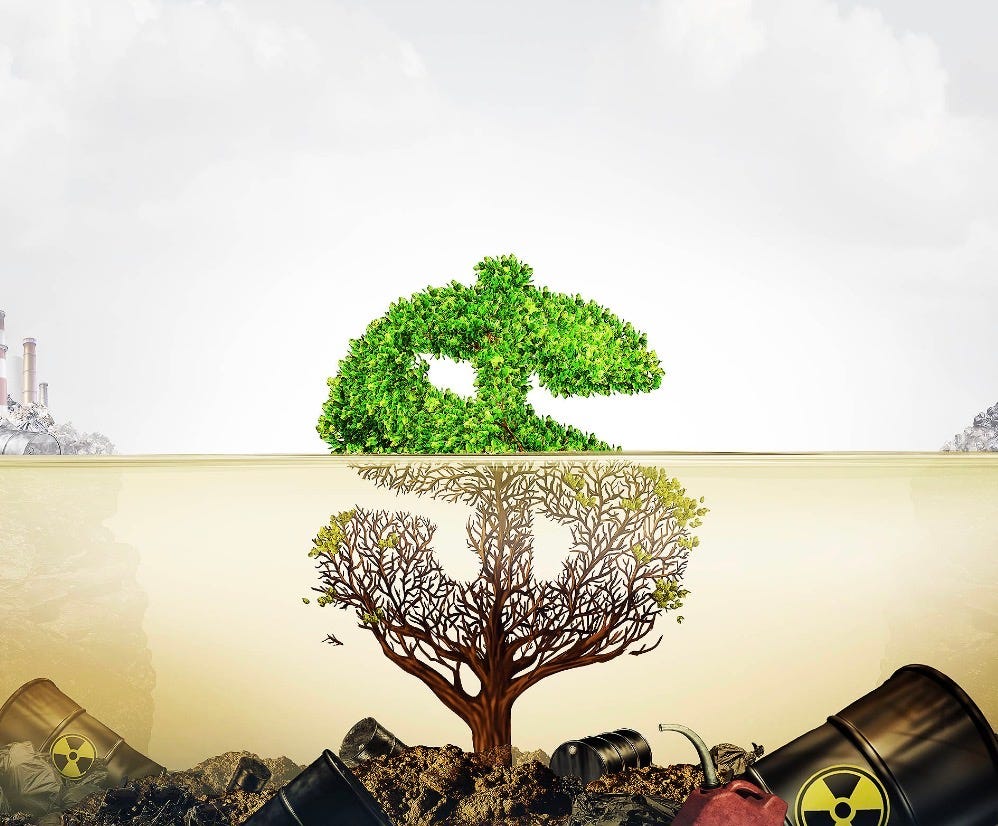
Our energy bill, which serves as a monthly reminder of the increasing costs of climate change as our prolonged reliance on fossil fuels exposes households to unstable energy prices and extreme weather can interfere with energy production and harm infrastructure. Switching to renewable energy necessitates a significant investment in new infrastructure, such as updated electrical lines and wind farms. Therefore, there may be an initial cost associated with going green, but the long-term costs of not doing so could be significantly higher and ultimately. So therefore the question now is not whether we can afford the shift, but rather whether we can afford to miss it.
Purchasing a home is stressful enough without having to consider the possibility that your ideal home could eventually need a flood escape route. In the UK, rising temperatures, flooding and subsidence are raising property risks, which could result in higher insurance premiums and more difficulty selling some homes. Therefore, global warming may become a financial burden for homeowners on top of an environmental concern and although a house may still be a safe investment, its worth may now increasingly depend on a previously unforeseen factor - whether the weather cooperates.
The climate catastrophe even threatens our getaways, as heatwaves, wildfires, droughts and water shortages are increasingly plaguing the places we once thought were well adapted to persistent sunshine and high temperatures, making travellers reconsider where and when they go. However, the financial effects extend beyond vacationers: excessive heat can lower worker productivity, interfere with transportation, harm infrastructure and resultantly companies.
Climate change is really coming for your wallet as the cost of daily living becomes inextricably linked to the climate catastrophe, from more expensive food and energy to susceptible homes and more erratic holidays. However, accepting increased costs as the new normal is not the solution and while investing in climate adaptation, resilient infrastructure and renewable energy may be costly now, neglecting the issue could result in a far higher charge down the road. We have two options: either start paying for the solution or continue to pay for the consequences.