

By Marissa Goursaud
When the trees start to blossom and the sun sets just that little bit later, expectations for growth and rebirth spring to the forefront of our minds. You might be sitting in the park on the first impossibly sunny day, filled with hope and although you didn’t stick to your New Year’s resolutions, the new season may bring about the changes you had sworn to make in the New Year. Whilst resolutions might be on their way out, with many of us favouring softer, more intentional approaches to establishing new rituals into our lives, there is just something about that fresh, spring air that makes new beginnings feel so right.

That insatiable desire for change – whether it is a deep spring clean, a seasonal wardrobe or even just the weekly promise to fill that unloved vase on your windowsill with fresh flowers – feels invigorating, but it also triggers overconsumption and unnecessary wastage. We are all guilty in some way, we want to embrace everything the new season has to offer. But there is a way to celebrate the whimsical brilliance of springtime without harming the environment.
The brilliant news is that spring cleaning is so last year! Wave goodbye to chemical cleaners and clearing out wardrobes. If, as a society, we are serious about creating a circular fashion industry and promoting sustainability wherever possible, throwing out all of your belongings as soon as you catch the faintest whiff of blossom seems to be far from productive. Before you head out on a springtime shopping spree, consider repurposing, or restyling old items in new ways. It’s time to look at the upcoming season as a way to step into new habits.
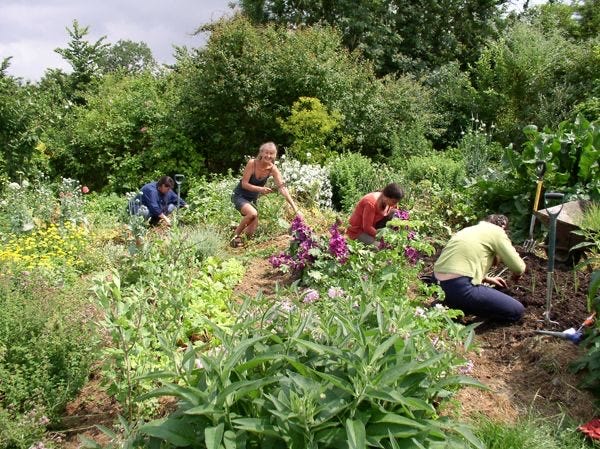
Across London, the demand for community gardens is blooming. With free entry, volunteers can spend time with their hands in the dirt, ending the day sharing a meal with fellow gardeners after rewarding work. Most local parks will have a garden nestled in its corner. You can find community, establish a new springtime ritual, and watch as you genuinely make an impact on the environment.
Having just moved house, the urge to line my windowsill with pretty bouquets has been challenging to resist. However, over 90 per cent of flowers sold in the UK are imported from overseas, in fact, currently the UK cut-flower market is worth £2.2 billion and mostly relies on imported blooms. It is not all bad news though, if your perfect spring morning absolutely requires a bright bunch of tulips in every crevice of your kitchen, there are still sustainable stems on the market. Of course, there are brands guilty of greenwashing, especially in the florist industry – many will claim that they are practicing sustainable habits but are still relying on shipping flowers from across the globe.
I know that the whimsical fairies among us must transform their homes into a magical forest somehow. I suggest looking for locally sourced stems - unfortunately, you won’t find these at your local Tesco. You’re far more likely to find UK-based flowers if you shop seasonally. To celebrate the coming spring equinox you can decorate your home with daffodils, primrose, crocus, and forsythia branches. It is true, Pinterest is not flooding your feeds with daffodil bouquets, but in times of commercialised conformity, what better way to express your individuality than with your bouquets?
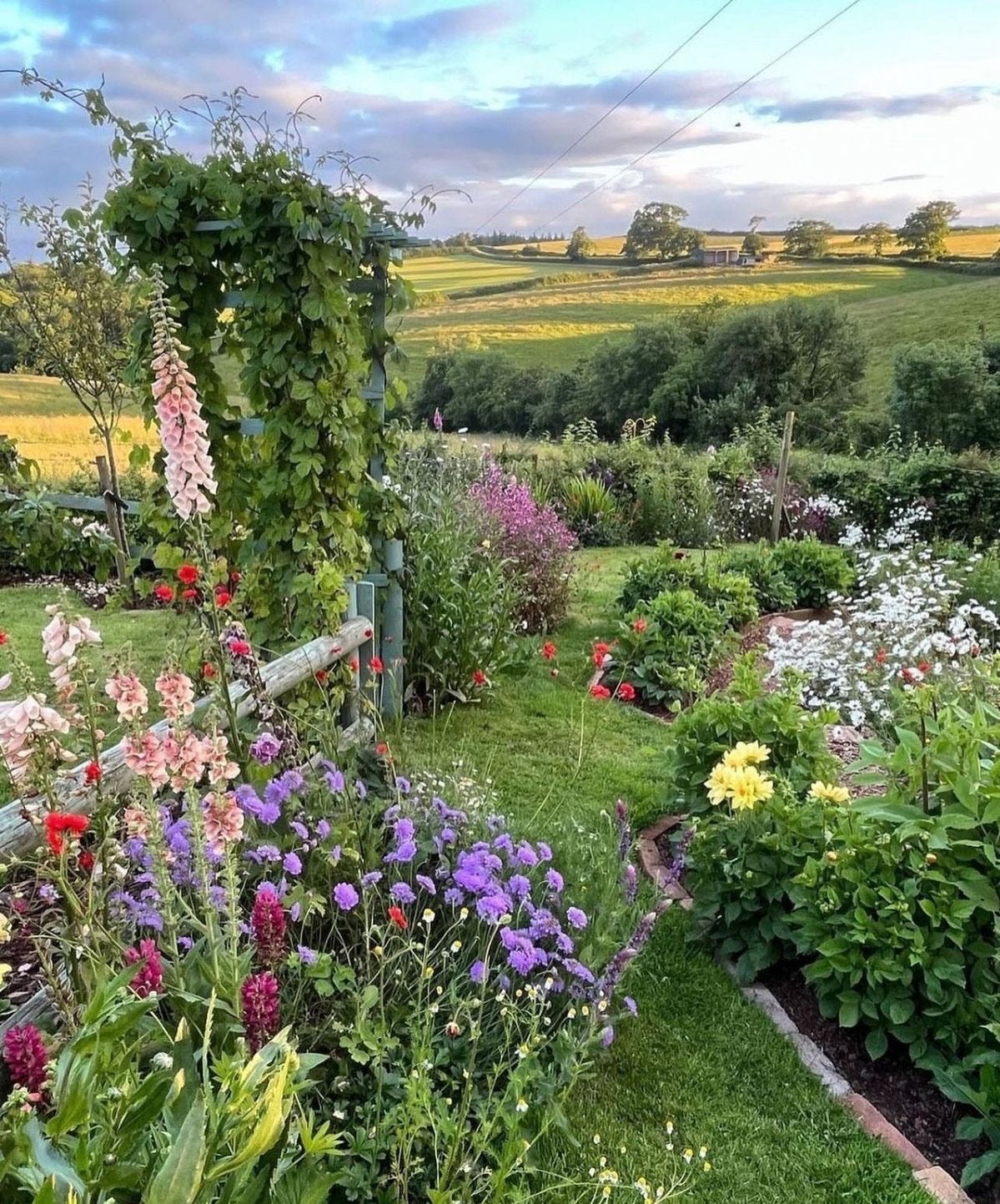
Next time you spot your friend strolling through Regent’s Park with a bunch of daffodils nestled in their tote bag, give them a pat on the back for sustainability, buy them a coffee even?
Don’t fret though, come April, all the girls with tulip tattoos can take a deep sigh of relief.
If spring is about adopting new habits, then maybe it is time to step away from springtime consumption and embrace more sustainable rituals.