
When it comes to coping with climate change, do as the Romans do. We are obsessed with coping mechanisms. Headlines are bleak and more so than ever we turn to simple comforts in the hopes of assuaging the creeping sense that the world is irrevocably doomed. “There are no jobs for graduates!”. We go for a mental health walk. “Trump is at war! Again!”. We pop to the corner shop for a sweet treat.
Climate news can at times be the scariest: we know the planet is burning, but because the damage doesn’t present itself as immediately as a rent increase it feels less urgent. Greta Thunberg says “We must act now” and we nod solemnly while remembering we didn’t recycle last night’s pizza box and spent half an hour in the shower wallowing in the misery of the latest graduate job market stat you just read.
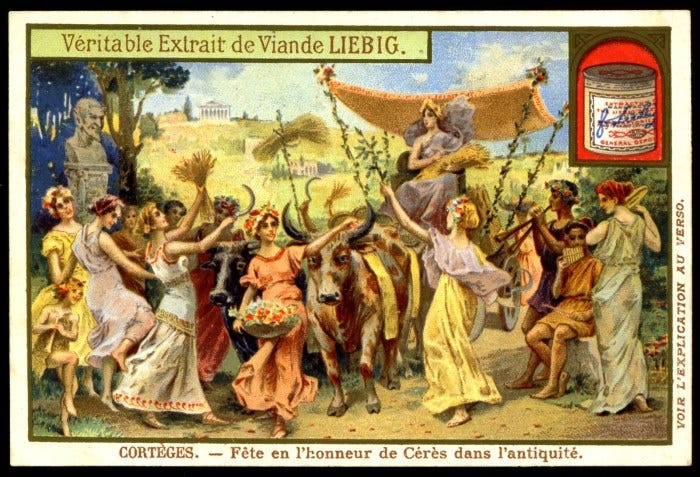
Two thousand years ago, the Romans were far less passive. They had a goddess specifically dedicated to all things agriculture - a recognition that the earth wasn’t just scenery but the foundation of survival. Ceres was a goddess of the plebs, the common people, the 99%. Each year at this time between 12-19 April, they honoured her with the Cerealia: a week of rituals, races and theatrical performances designed to secure the year’s harvest.
The Cerealia was serious business. It fell at a moment of acute agricultural anxiety in the Roman calendar, when the crops were still on a knife’s edge and a single bad-turn could mean famine. The festival wasn’t a distraction; it was an appeal. The plebs gathered not to forget their fears but to confront them - by petitioning Ceres to intervene.
Contemporary writers underline the gravity of it all. Cicero calls the games ‘most holy’ and insists they must be celebrated ‘with the greatest care and solemnity’. Ovid speaks of them as ‘chaste’ and ‘solemn’, especially when contrasted with the bawdy, lewd revelry of Flora’s festival a few weeks later. The Romans could absolutely party, but the Cerealia wasn’t that. It was a moment of collective seriousness, a ritual acknowledgement that the earth was fragile and that human effort alone wasn’t enough.
We tend to reflect on the Romans as riotous hedonists. We conjure images of manchild emperors drinking excessively and sleeping with their daughters. But look beyond the orgy of incest and excess and you see a devout civilisation responding to environmental precarity with ritual, not avoidance. They believed their actions mattered because the goddess listened.
It is all too easy for us to hide. We change the conversation, turn off the television, scroll away. We tell ourselves this year’s heatwave will be the last really bad one - plus we buy a reusable coffee cup so surely we’re offsetting something.
In our time, we partake in our own fragmented and contemporary rituals - but on a smaller scale than the humans before us. Our rituals are small and patchy because the danger feels distant and dispersed. For most of us, the harm arrives slowly, in graphs and projections, not in a field of withering grain.
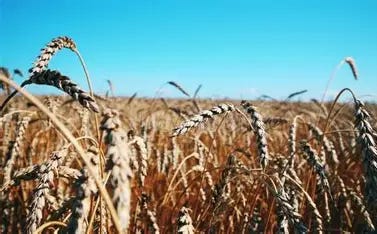
For the Romans the stakes were heightened because there was a sense of immediacy i.e a failed harvest wasn’t a headline; it was hunger. Without that immediacy, humanity becomes reactive rather than pre-emptive. We wait until the crisis is visible with the water lashing at our door whilst the smoke is in the air.
The Romans didn’t wait. They ritualised their fear, named it, staged it, and handed it to a goddess they believed could intervene.
We can’t do that. Our environmental dread bears no saviour to turn to, no iconography and no altar. Who can we turn to to help enact real change when the world’s most powerful figure denies the existence of the very issues we face?
So instead we reach for the small things. The reusable cup. The sustainable brands. Moving last night’s pizza box out of the general waste bin and into the recycling. They’re not meaningless - they’re just miniature. They soothe the conscience but not the climate. They give us the illusion of agency in a world where the real levers are hidden behind policy and profit.
The Romans weren’t better people; they were simply closer to the consequences. Their rituals were born of immediacy. Ours are the result of distance. And maybe that’s the real tragedy of modern climate anxiety: not that we don’t care, but that we care without a cosmology to hold the weight of our fear.