

How Gen Z cultural shift may just be fashion's biggest environmental turning point
Written by Almaz Ammanuel
For the longest time, sustainable fashion has been deemed as dull, even boring, despite being vital in our battle against climate change. But something has radically shifted. Gen Z has done more than any other previous generation and has sought to embrace circular fashion not just a trend - destined to vanish before it really appears, but an integral part of the cultural landscape, one that reflects what it means to be cool in contemporary society. In the wake of this new context: thrifting and second-hand shopping isn’t a setback, rewearing isn’t lazy and repairing is certainly not embarrassing, in fact it’s uniquely expressive. Gen Z’s love for second-hand shopping is monumental, and if brands have taught us anything, as when a phenomenon is deemed cool, it scales and when it scales, markets shift, absorbing its resulting effects, which in this case one might hope, is a reduction in production emissions. This may just be climate activism disguised as style.
Second hand shopping has become common practice for a generation raised in the face of the climate crisis. Vital platforms like vinted, depop and ebay have transformed wardrobes into fluid marketplaces. Style now circulates instead of stagnating.
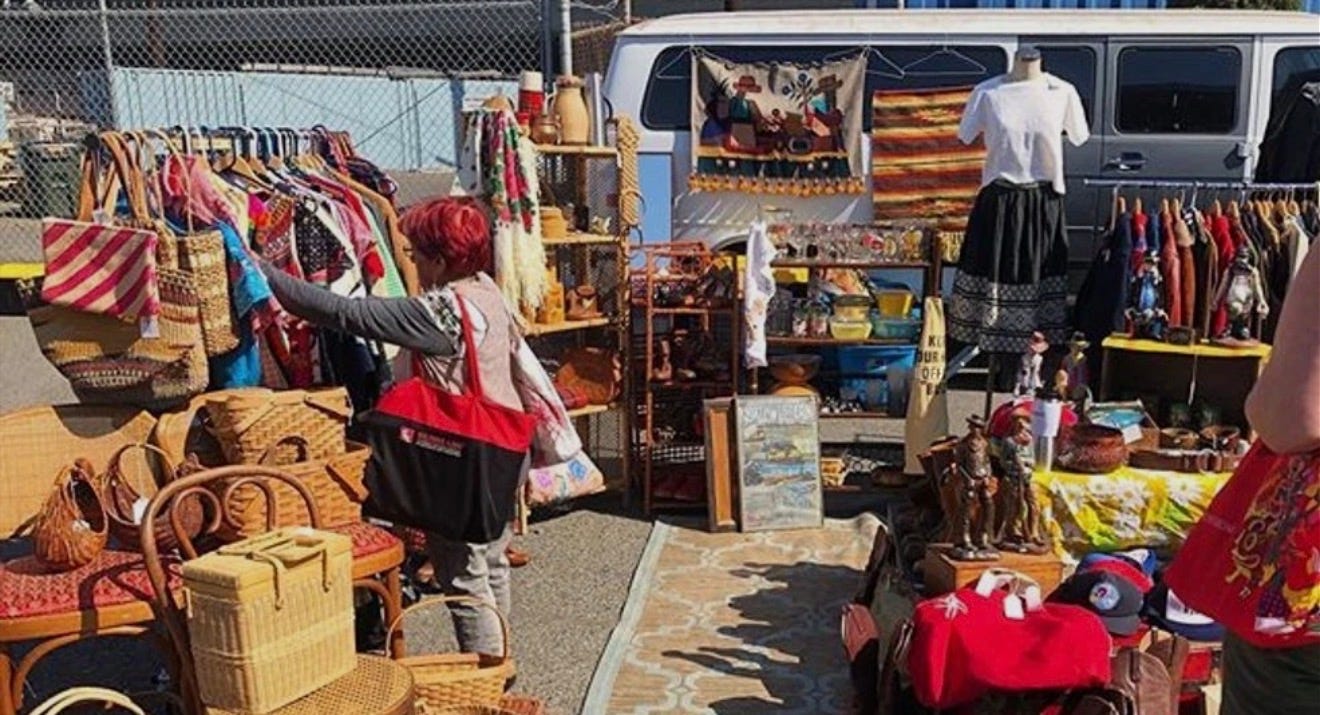
I remember in my secondary and sixth form days, buying a top on depop was considered the coolest thing ever, scorned were those still buying the latest tank top from urban outfitters. From vintage stone island baby tees to old nike club print joggers, second hand shopping marked mine and my friends' teenage years. Naturally mainstream media attention has bolstered the uptick in sustainable shopping - the hit tv show Love Island partnered with Ebay to dress contestants in ‘pre-loved’ pieces, which sends a clear message - resale is sexy. Charity shops, flea markets and carboot sales have evolved from simply a money saving practice to a display of cultural currency. Wearing second-hand items now oozes taste, individuality and awareness - being aware of issues is again, SEXY. Specifically for Gen A originality matters way more than ownership and that is at the root of second hand shopping.
Arguably, the fashion industry has long been built upon artificial urgency, manifested in seasonal collections such as spring/summer and autumn/winter, fuelling the vicious and detrimental cycle of rapid consumerism. The environment doesn’t care for seasonal drops, she suffers no matter how much hype surrounds them. However, the circularity second hand shopping promotes disrupts this model as it stretches the lifespan of pieces of clothing and keeps textiles in constant motion. Here we replace the idea of ‘newness’ with simply ‘new to you’ and this therefore isn’t simply behavioural change adopted by Gen Z, it represents a systemic change, and seasonal shopping that relies on volume as opposed to longevity shall soon have to face the reality. Gen Z haven’t accepted the climate crisis of today and resigned to environmental degradation, they have instead rebelled against the status quo, and embedded this rebellion permanently into their aesthetics.
The fashion industry accounts for approximately 8-10% carbon emissions, driven by reliance on fossil fuel based materials and consumer trend fixation driving brands to consistently churn out products.
Circular fashion effectively slows down this machine and organisations such as the Ellen MacArthur Foundation, who promote the idea of a circular economy, strive to keep products in use for as long as possible to lower their per-wear carbon footprint. Buying one singular thrifted jacket or dress may not necessarily feel monumentally revolutionary, but when applied to millions of consumers, suddenly the demand for new production, factory and energy use and emissions is reduced significantly.
Change is achievable and Gen Z is proving so. As we continue to convey that sustainability is no longer secondary to style, but instead conveys cultural aptitude. The number of UK Vinted users surged from 1 million in 2020 to around 17 million in 2026, the primary users - you guessed it, those aged between 18-35.
Whilst policy and innovation matter, culture can move the dial faster and circular fashion is enjoying a transition from niche status to an integral part of the zeitgeist. Seemingly, the future of fashion will not be defined by quick micro trends but rather by circulation. By reusing and regenerating, Gen Z has successfully proved something powerful: When climate action aligns perfectly with identity, it doesn’t feel like a responsibility or a chore, it feels like self-expression and that arguably is fashion’s most important transformation yet.