
How a vocabulary shift has boosted the reselling industry
Vinted is now the third-largest fashion retailer in the UK, bested only by staple brands, Primark and Next. The second-hand site has become the go-to for well-priced shopping hauls, but why all of a sudden? Particularly when online platforms reselling clothes have existed for Eons before, such as eBay, Depop and Messina Hembry.
Vinted has one major aspect to thank for its push in sales: language.
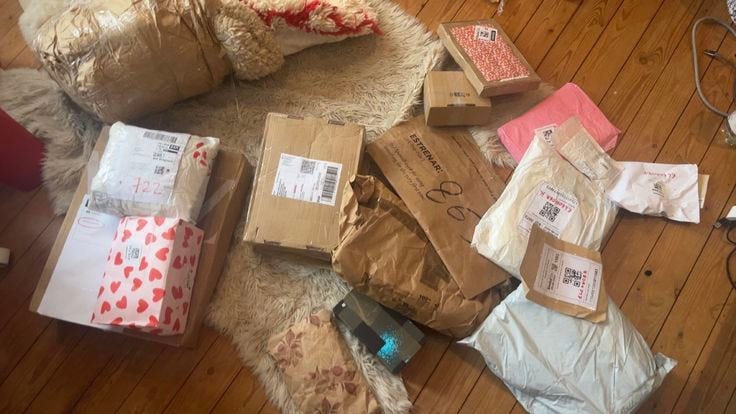
Of course, there are still some people who frown upon the thought of buying used items of clothing, but large swathes of the population have hopped on the trend of vintage retail. Half a decade ago, during the Covid lockdowns, online retailers like eBay, Depop, and Vinted saw a rise in sales with people looking to earn a few extra quid whilst trapped in their homes. In the UK, from 2020 to 2023, Vinted grew from one million active users to over two and a half million.
The thrill of a cheap find is enough to attract some to Vinted, but the transformation of how we speak about second-hand shopping also has had a major part to play in boosting the reselling industry. Whilst many grew up receiving hand-me-downs from relatives or frequenting charity shops with their parents, it was somewhat of a shameful experience in such a brand-heavy market. Rarely would anyone announce amidst a sea of River Island shopping bags that they got their new t-shirt from the back of their older cousin’s wardrobe.
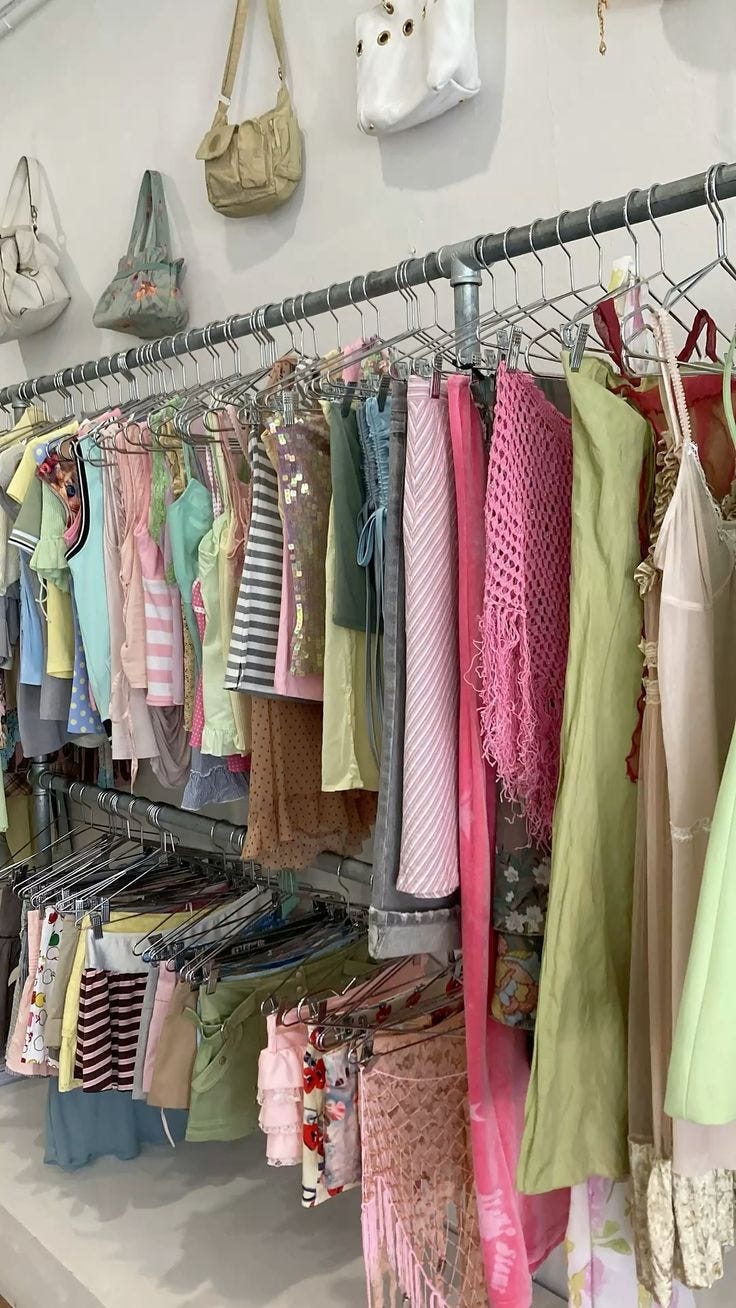
Now, it seems that the trendiest person you know is sourcing all of their garments second-hand. And ironically, you would never catch them rifling through the sale rack at Zara anymore. But how did buying used items become the signifier of cool? Having the resources — time and money — to find clothing rather than visit your local fast-fashion haven (shopping centre) seemed to be out of reach for those with limited funds and a typical 9–5. So, when the Depop ‘girlies’ with undisclosed incomes started posting Coach bags for £200, we lusted after a life that involved a vintage, Y2K wardrobe. It happened overnight; they had washed the uncool out of used fashion.
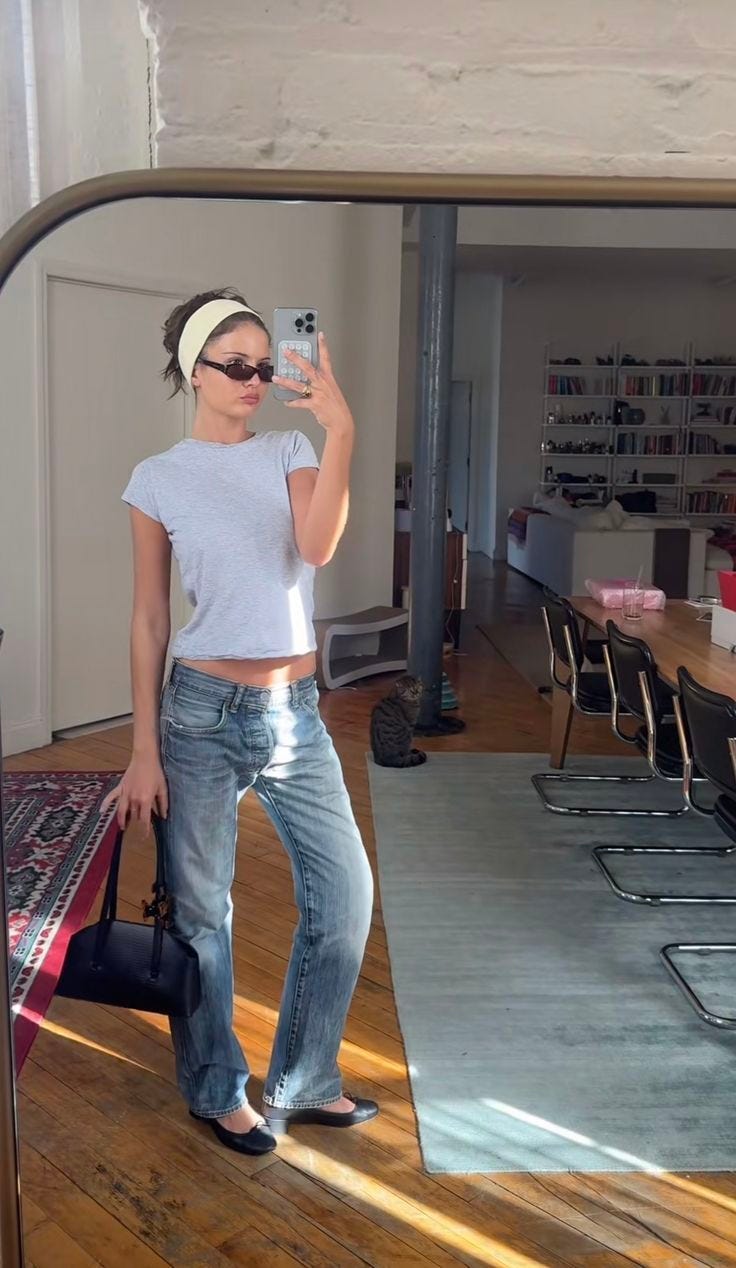
With Depop prices skyrocketing, words like ‘pre-loved’, ‘unique’, and ‘curated’ crept into listing descriptions. Premium prices were the result of a small group of people sourcing your shopping. They had to prove that their goods were in a different realm of second-hand to the charity shops on your local high streets. It was an aspirational approach to thrift shopping. Even your favourite influencers started reselling on Depop with the knowledge that their loyal audiences will go crazy for their worn clothing.
When it became apparent that finding items was as easy as stalking eBay posts and scouring out charity shops in wealthier areas, this way of shopping became more accessible. But it was still hush-hush around those who were in the know.
So, when Vinted, initially marketed as a cheaper alternative to Depop, came onto the reselling scene, those shut out by the outrageous pricing fled to the younger model. The average price for fashion items on Vinted is 72% lower than the original retail prices for new items. With a focus on being the affordable sibling to Depop, Vinted tapped into two gaps in the market. It was cool and cheap. With a broader market — even advertising on TV- they connected an older audience who were looking to clear out items they had been keeping since their college days with a youth market that was beginning to view second-hand shopping as niche and desirable.
Fashion is such a trend-led industry that the way to encourage sustainable shopping is to make it cool. It was never going to be enough just to tell people that purchasing fast fashion is unethical and majorly harming the environment; people had to be convinced. In 2025, 607 kilotonnes of CO₂e were avoided by shopping second-hand on Vinted.
This vocab-led mindset change is clearly a successful method to promote greener habits.
What may be cool next in our quest to save the planet?