

Plant-based restaurant openings no longer dominate headlines - but that doesn’t relegate vegan dining to relic status
Veganism is undergoing a major rebrand. On the eve of the pandemic, plant-based dining was at the forefront of the restaurant industry. Animal Equality UK’s 2017–2018 update noted that “new vegan restaurants are opening every day” and that many existing restaurants were converting to fully plant‑based menus. Today, the picture is very different. Meat-heavy small-plate concepts dominate London openings and plant-based portions have been pushed to the periphery.
Liv Warren, Insight Manager at market insights service Lumina Intelligence, cites a post-pandemic mindset shift as one of the defining factors. “People really care about health at the moment and they’re slightly less into morality,” she says. “Five years ago people were all in for the fake meat, veggie and vegan substitutes. Now everyone is becoming terrified of ultra-processed foods (UPFs) and so they are now completely terrified of those substitutes.”
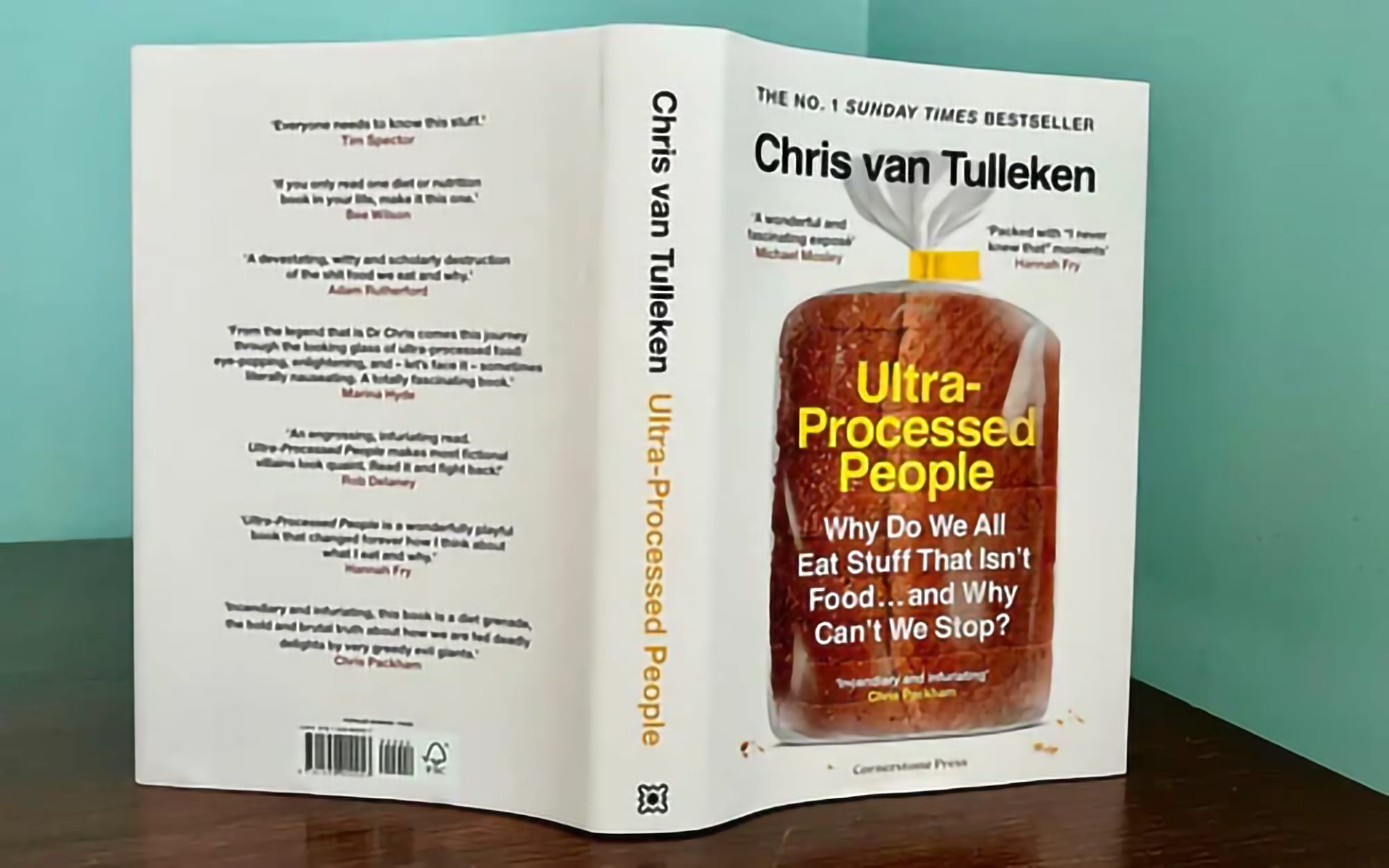
The UPF U-turn may seem to be something of a curiosity, given how in vogue they were so recently, but tastes have changed. Current nutritional discourse, figureheaded by anti-UPF spokespeople like Chris Van Tulleken and Eddie Abbew is, consciously or otherwise, impacting restaurant culture.
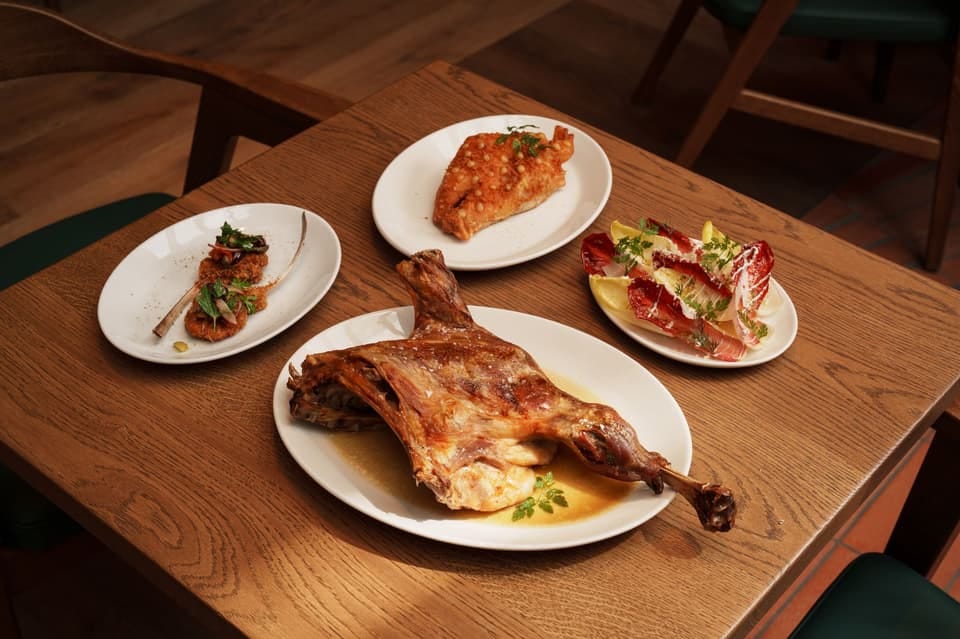
Data from Lumina shows that between 2024 and 2025 restaurant menus grew on average by three dishes but with no growth whatsoever in the vegetable dish category. Despite its name, Mountain in Soho, which opened in 2023, dedicates the majority of its menu to the names of different cuts of meat, with no indication that potential accompaniments are of any significance. The suckling pig and pork section of contemporary Spanish spot Legado’s (2025) menu alone is as large as their vegetable offerings.
The rationale behind the small plates movement is, according to Warren, being influenced by appetite-suppressing drugs like GLP-1 and Ozempic. “If people are only ordering a couple of small plates, it’s likely that they will be meat ones,” she says. The small plates format encourages “treat” ordering - and meat is still coded as a treat. The outcome is that plant-based dishes lose out.
There is also a sense that the vegan marketing machine is running out of gas. “Brands have started putting a lot less effort into Veganuary”, says Warren. “Dry January is now seen as a much bigger opportunity. There’s longevity there because it feels like measurable health in a way that Veganuary no longer does.”
Part of the problem is cultural. Veganism hasn’t had a Cowspiracy‑style catalyst in several years - the kind of documentary that set pressing priorities for people overnight. The cultural bandwidth that once fuelled the vegan boom has been swallowed by bigger, more urgent world issues, and the movement has lost some of its headline‑grabbing momentum.
This all seems rather irrecoverable. However, the truth is that the vegan population in the UK has increased dramatically, to roughly 2.5 million people in the UK. One in three evening meals are now meat-free. Veganism is undergoing a silent renaissance, one obscured by Instagram feeds and media attention. Plant-based eating within the household is increasing dramatically.
There is no doubt that this surge is, in large part, down to rising food costs. Warren says: “If people are cooking for themselves at home they’re happy to limit their meat consumption compared to when they are going out as a treat.” The whole approach to plant-based eating has evolved from the celebratory to the everyday.
Veganism hasn’t declined but has become less explicitly flaunted and more routinely integrated. Restaurants have adapted in kind to reflect the cultural appetite for plant-based dining. “Restaurants are not quantifying themselves as ‘veggie’, but instead vegetable forward. It feels like they’re being a little bit quieter about it,” says Warren. The language has shifted.
The current culinary landscape is by no means a death knell for vegan dining in the UK. It is true that vegan eating makes headlines less regularly than it did previously. It’s not particularly trendy right now, but the waning cultural spotlight shouldn’t be mistaken for decline. Veganism hasn’t disappeared - it has simply become less performative, less branded, and more embedded in everyday life.